Introduction
Gaming is one of the most popular forms of entertainment in the world today. Millions of people turn on their consoles, computers, or phones every day to relax, compete with friends, or unwind after a long day.
However, modern games are designed by experts to be extremely engaging. When entertainment becomes too absorbing, it can quietly slip past your personal boundaries. You might find yourself spending more money than planned or playing long past your bedtime, leading to fatigue, stress, or financial strain.
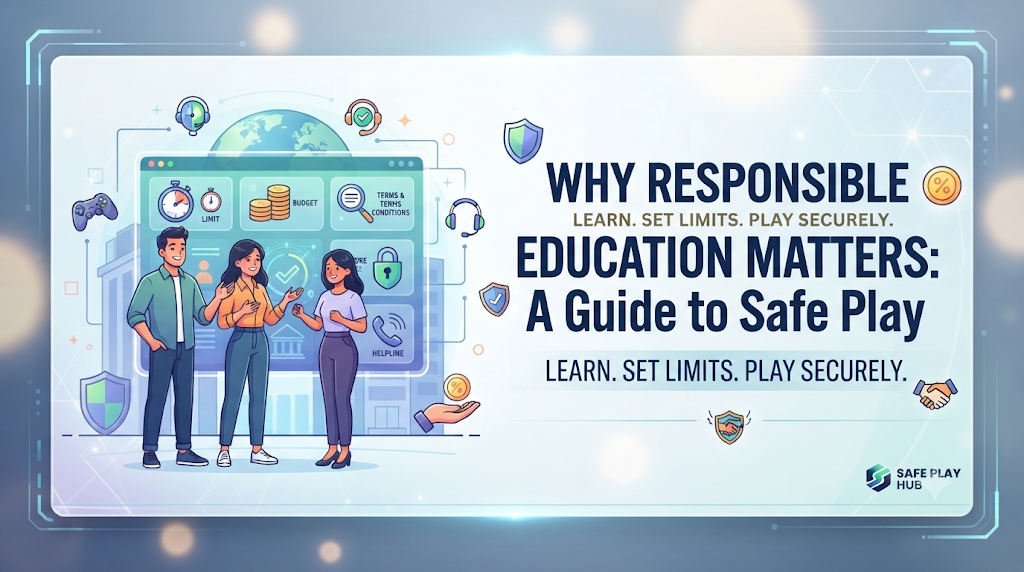
This is where responsible gaming education comes in. It is not about taking the fun away from gaming. Instead, it is about giving you the knowledge and tools you need to stay in the driver’s seat. Whether you are a casual player or someone who enjoys competitive or wagering titles, understanding how to manage your gaming habits protects your well-being, your wallet, and your peace of mind.
What Is Responsible Gaming Education?
Responsible gaming education refers to the learning process of understanding the risks associated with gaming and wagering, recognizing how game mechanics influence behavior, and adopting safe habits to maintain control.
Why Does It Matter?
Without proper awareness, players can easily fall into automatic habits. Games often use rapid rewards, daily login bonuses, and exciting audio-visual cues to keep players engaged. Understanding these design tricks helps you recognize why you might feel the urge to keep playing even when you are tired or ready to stop.
When Is It Useful?
Responsible gaming education is useful at every stage of a player’s journey. It is especially vital for beginners who are just starting out with online platforms, as well as for experienced players who want to build a sustainable long-term routine.
How Modern Games and Platforms Work
To understand responsible gaming, it helps to look at how games are built. Game developers use psychological principles to create engaging experiences.
The Loop of Play and Reward
Most modern games operate on a continuous loop: you perform an action, you receive feedback or a reward, and you are immediately motivated to take the next action. In casual video games, this reward might be unlocking a new character skin. In wagering platforms, it might be the thrill of a potential win.
Professional Term → Simple Meaning → Why It Matters → Example
- Variable Ratio Schedule (Intermittent Reinforcement) → Giving rewards at unpredictable times rather than every single time. -> This keeps players engaged much longer because you never know if the next try will be the big one. -> Example: Opening a loot box or spinning a wheel that randomly grants a rare item or payout.
Knowing how these mechanics work allows you to step back and ask yourself: “Am I playing because I am genuinely having fun right now, or am I just chasing the next reward?”
Important Factors to Understand
Managing your gaming habits requires looking at three major pillars: time, money, and emotional state.
1. Bankroll Management (Financial Limits)
In any activity that involves spending money, keeping track of your funds is essential. A bankroll is simply the specific amount of money you have set aside for entertainment.
- The Rule: Never use money meant for essential living expenses (like rent, groceries, or bills) for gaming. Treat gaming money the same way you treat the cost of going to a movie theater—money spent purely on entertainment that is gone once the activity ends.
2. Time Boxing
Time flies quickly when you are focused on a screen. Setting a strict time limit before you start playing helps prevent gaming from cutting into your sleep, work, or social life.
3. Emotional Awareness
Gaming should be a form of stress relief, not a way to escape real-life problems. If you notice you are playing out of anger, frustration, or sadness, stepping away is usually the smartest choice.
Common Mistakes Beginners Make
Even smart players can fall into common traps if they do not establish ground rules early on.
| What People Do | Why They Do It | Why It Causes Problems | What They Should Do Instead |
| Chasing Losses | Wanting to win back money or progress that was just lost. | It usually leads to losing even more time and money out of frustration. | Accept the loss as the cost of entertainment and close the game. |
| Skipping Breaks | Feeling “in the zone” or wanting to finish one more level. | Causes eye strain, physical fatigue, and poor decision-making. | Set an alarm every 45 to 60 minutes to stand up and stretch. |
| Ignoring Budgets | Believing “just a little bit more won’t hurt.” | Gradually drains savings without realizing how much was spent over time. | Use strict prepaid limits or deposit caps on your accounts. |
Risks and Limitations
Failing to practice responsible gaming can lead to several real-world issues.
- Financial Strain: Spending beyond your means can create unexpected debt and financial stress.
- Sleep Deprivation: Late-night gaming sessions disrupt your sleep cycle, affecting your energy and focus the next day.
- Social Isolation: Spending too much time behind a screen can pull you away from family, friends, and offline responsibilities.
How to Reduce These Risks
Platforms often provide built-in safety tools. You can use deposit limits, self-exclusion periods, and reality checks (pop-up reminders that show how long you have been playing) to keep yourself accountable.
Decision-Making Framework for Safe Play
Use this simple step-by-step checklist before every gaming session to make sure you stay in control:
- Check Your Budget: How much money can I comfortably afford to spend today without regretting it?
- Check Your Schedule: What time do I need to stop playing to get a full night of sleep?
- Check Your Mood: Am I playing to relax, or am I trying to fix a bad mood? (If it’s the latter, choose a different activity).
- Set a Hard Stop: Decide on an exact alarm time to close the game, and commit to obeying it.
Key Terms
- Bankroll: The total pool of money you have set aside specifically for gaming or entertainment.
- Self-Exclusion: A tool that allows you to voluntarily block your own access to a gaming platform for a set period.
- Deposit Limit: A restriction you set on your account to cap how much money you can add within a day, week, or month.
- Reality Check: A notification alert that pops up during gameplay to remind you how long you have been active.
- Chasing Losses: The risky habit of continuing to play or spend money in an attempt to win back what you already lost.
- Volatility: The measure of how unpredictable a game’s outcomes are over a short period.
- Responsible Gaming: Practices and tools designed to keep gaming safe, controlled, and enjoyable.
FAQs
What is responsible gaming education?
It is the process of learning how to manage your time and money effectively while playing games, ensuring the hobby remains safe and fun.
How do I know if I am spending too much time gaming?
If gaming begins to interfere with your sleep, work, school, or relationships, or if you find it difficult to stop when you planned to, you may be spending too much time.
Can games be addictive?
Yes. Modern games are designed to be engaging, and certain mechanics can trigger strong reward responses in the brain, making it hard for some people to walk away.
What is a deposit limit?
A deposit limit is a safety feature that lets you restrict how much money you can add to your gaming account over a specific timeframe.
What should I do if I catch myself chasing losses?
Immediately close the game, step away from the screen, and do something physical like taking a walk to clear your head. Never try to win back lost funds in the heat of the moment.
Are built-in safety tools effective?
Yes, tools like reality checks and time limits act as external reminders that help keep your gaming habits transparent and controlled.
Conclusion
Gaming is an incredible form of entertainment, relaxation, and social connection when approached with the right mindset. Responsible gaming education is not about restriction—it is about empowerment. By understanding how games work, setting firm personal boundaries on your time and money, and recognizing when to take a break, you ensure that gaming remains a positive part of your life. Keep your limits clear, stay aware of your habits, and always prioritize your well-being.
